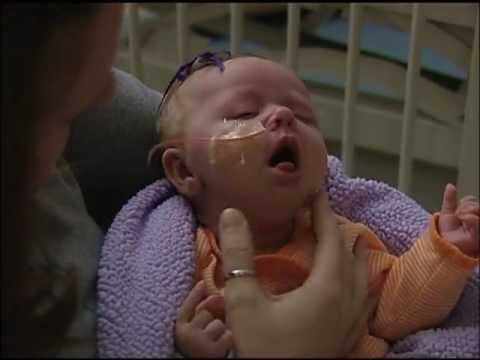
This post infuriates me. In my area alone, there were 15 cases of whopping cough in the last 2 years. 11 out of 15 of those children were vaccinated for it. I do not engage in the debate of vaccinating vs. not vaccinating, but posting a video like this and simply saying what you said is cruel.
People need to do their research and decide what's best for them and their families. Scare tactics on either end of the vaccination spectrum are disgusting, in my opinion.
I agree. There is a lot of information out there supporting both sides of the vaccination issue, and it often seems like there is even more misinformation than reliable information. Scare tactics and anecdotal stories don't help anyone.
We should definitely encourage more vaccination. I disagree that vaccination is an area where everybody needs to "do their own research", however.
To be honest, most people out there are not qualified to make determinations regarding the validity of scientific research. This is not meant to make anybody feel bad, but very few of us are actually trained in this area, so often laypeople end up reading rehashed ideas from the loudest voices, many of whom have some crackpot backgrounds (think Natural News, Mercola, Jenny McCarthy, Dr. Weil [from time to time], Dr. Oz [again, from time to time], etc.). Stick with major sources of quality information regarding medical decisions: the Mayo Clinic's website is a great place to start, for example.
That said, in its current form, our Whooping Cough vaccine is not as good as it could be. It wears out faster than the older versions and is not as protective. I'm pretty sure a more effective reformulation is high on a list of priorities for public health officials. But I'll definitely take it in its current form and hopefully avoid harsher cases of Whooping Cough and enjoy whatever immunity it has to provide me and my baby. Better than nothing.
I think I'm gonna go with science on this one. Most people are not informed enough/or misinformed on this decision. It saves lives. What type of reason could out weigh your child going through this?? Or anything else that can be prevented though vaccines. Like you have said some children have gotten it even with the vaccine but it is a very effective in preventing it. So sorry to offend you. Good grief.
@michelleexm I agree with you that most laypeople are not qualified to adequately research topics like this. However, I still think it's something to be encouraged. Talk to your doctor, ask for product inserts, peruse the CDC website and the WHO website, join a group, or whatever tickles your fancy.
I think we all know Jenny McCarthy isn't a credible source, but if she sparks the interest in someone enough to further research, great. If that's their only source of information, shame on them. We as a society need to be encouraged to explore all options and be informed. That's all I'm saying.
The pertussis vaccine that is currently being administered isn't nearly as effective as earlier ones, as you stated. The reason the CDC gives, the earlier vaccinations had major side effects, including SIDS. I think people have the right to know all the facts, not just the ones that are convenient for a specific agenda.
In theory, I agree with you. In practice, I know numerous college-educated, otherwise intelligent people who regularly use the sources I listed as their primary sources of medical information. People I know who are normally very intelligent are not always as good at determining good information from bad information.
To be honest, it's not always easy to tell good information from bad information, even if you are trained in these areas. You must read studies closely for wording and look very closely at statistics and how they are analyzed.
There are risks to all vaccines. There are risks to nearly everything out there. The key is keeping the risks in perspective compared with the risks of not vaccinating, for example. If the risk of a specific very serious side effect is 0.00001% (made up numbers), but the vaccine halves your risk of getting a disease with 50% mortality (again, made up numbers), is this is a good risk? This is going to depend on how common the disease is, how easy it is to spread, etc. These are things the CDC and healthcare professionals look at when judging vaccines.
I hope this at least shows a bit why I feel this is difficult territory to analyze on one's own. But starting a conversation with your OB is a great start.
One of my daughter's caught it at a military daycare. She'd been vaccinated for it and was a year old. It was a mild case, but I'm sure it could have been much, much worse.
Re: Incase you are on the fence about Vaccinating...
To be honest, most people out there are not qualified to make determinations regarding the validity of scientific research. This is not meant to make anybody feel bad, but very few of us are actually trained in this area, so often laypeople end up reading rehashed ideas from the loudest voices, many of whom have some crackpot backgrounds (think Natural News, Mercola, Jenny McCarthy, Dr. Weil [from time to time], Dr. Oz [again, from time to time], etc.). Stick with major sources of quality information regarding medical decisions: the Mayo Clinic's website is a great place to start, for example.
That said, in its current form, our Whooping Cough vaccine is not as good as it could be. It wears out faster than the older versions and is not as protective. I'm pretty sure a more effective reformulation is high on a list of priorities for public health officials. But I'll definitely take it in its current form and hopefully avoid harsher cases of Whooping Cough and enjoy whatever immunity it has to provide me and my baby. Better than nothing.
To be honest, it's not always easy to tell good information from bad information, even if you are trained in these areas. You must read studies closely for wording and look very closely at statistics and how they are analyzed.
There are risks to all vaccines. There are risks to nearly everything out there. The key is keeping the risks in perspective compared with the risks of not vaccinating, for example. If the risk of a specific very serious side effect is 0.00001% (made up numbers), but the vaccine halves your risk of getting a disease with 50% mortality (again, made up numbers), is this is a good risk? This is going to depend on how common the disease is, how easy it is to spread, etc. These are things the CDC and healthcare professionals look at when judging vaccines.
I hope this at least shows a bit why I feel this is difficult territory to analyze on one's own. But starting a conversation with your OB is a great start.
BFP 11/18/13. EDD 7/25/14. It's a BOY!
Surprise BFP 7/30/13. EDD 4/7/14. Natural MC 8/24/13